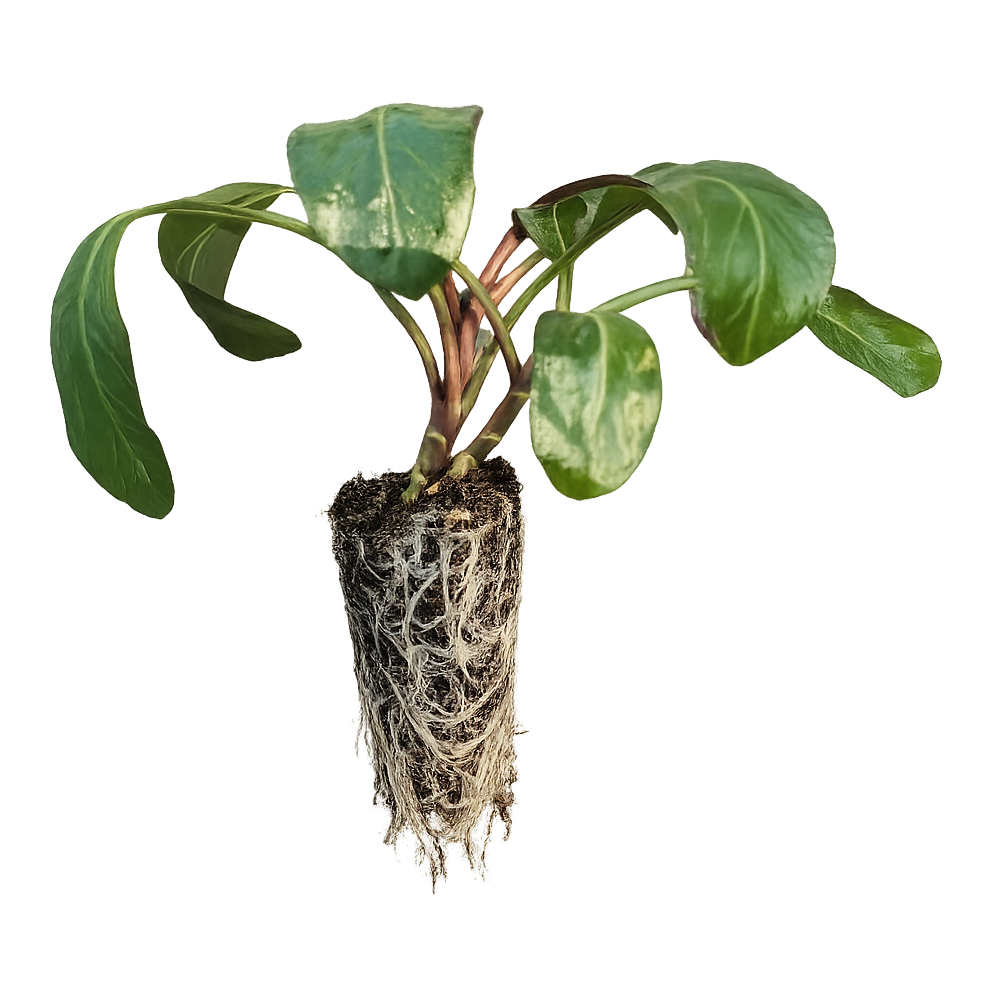
Lobelia cardinalis, commonly known as cardinal flower, is one of the most eye-catching native Florida wildflowers you can add to your landscape. With its tall spikes of brilliant red blooms, this moisture-loving plant brings bold color and exceptional pollinator value to gardens across the state. Naturally found along Florida’s streambanks, wetlands, and low woodland edges, cardinal flower is perfectly adapted to local soils, rainfall patterns, and wildlife.
The plant is best known for its vivid red flowers, which appear in upright spikes from summer into early fall. Each bloom has a narrow, tubular shape that is specially adapted for hummingbirds. In fact, cardinal flower is one of the top nectar sources for hummingbirds in Florida gardens. Butterflies and native bees also visit the blooms, making it an excellent choice for anyone looking to support local pollinators.
In the landscape, Lobelia cardinalis typically grows 2–4 feet tall, forming a lush clump of deep green leaves at the base and sending up strong flowering stalks above the foliage. Its vertical growth habit makes it perfect for the middle or back of garden beds, along pond edges, or in rain gardens. The brilliant red flowers stand out beautifully among native grasses, blue or purple wildflowers, and other Florida natives, creating a vibrant, naturalistic planting.
Cardinal flower prefers moist to wet soils and thrives in areas that receive consistent moisture. It performs especially well in rain gardens, swales, pond margins, or low spots that stay damp after summer rains. It can grow in full sun to partial shade, though it often benefits from some afternoon shade in hotter parts of Florida. With regular moisture, the plant stays lush and produces more abundant blooms.
Because it is a true Florida native, cardinal flower is well suited to sustainable, low-maintenance landscapes. It is naturally adapted to local conditions and is rarely troubled by pests or diseases. Once established, it may gently reseed, forming small colonies that return year after year. This natural spreading habit makes it a great choice for gardeners who want a dynamic, evolving planting that becomes more beautiful over time.
Maintenance is simple. Keep the soil consistently moist, especially during dry periods. After flowering, the spent stalks can be trimmed back, or left in place to allow seeds to mature and drop naturally. In cooler parts of the state, the plant may die back in winter and return from the roots in spring.
Whether planted along a water feature, in a rain garden, or as a bold accent among other Florida native plants, Lobelia cardinalis delivers unmatched color and wildlife value. Its brilliant red blooms, easy care, and strong ecological benefits make it a standout addition to any Florida-friendly landscape. At Blue Bee Nursery, our cardinal flower plants are grown with care to help you create a vibrant, pollinator-rich garden rooted in Florida’s natural beauty.