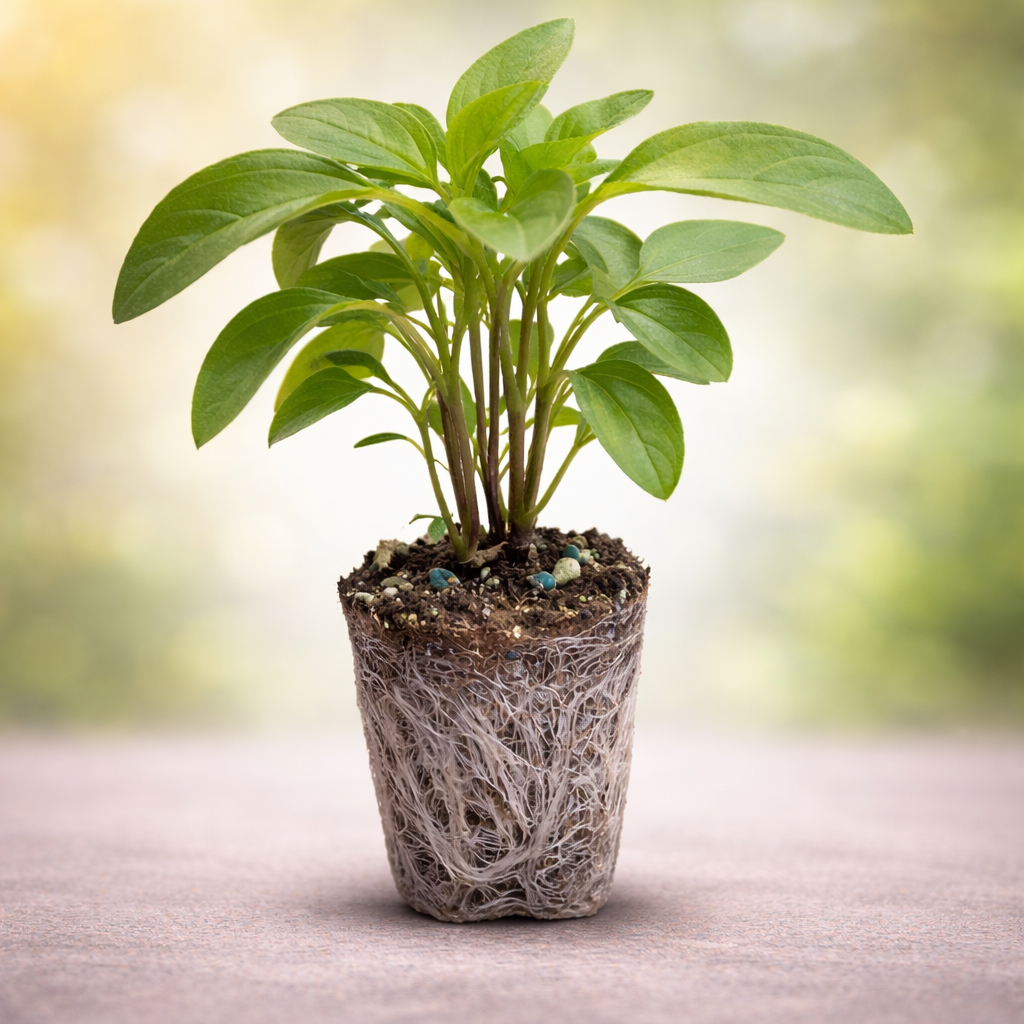
Dune Sunflower (Helianthus debilis) is one of Florida’s most cheerful and hardworking native groundcovers. With its bright yellow, sunflower-like blooms and sprawling growth habit, this coastal native brings year-round color, resilience, and pollinator value to Florida landscapes. If you’re looking for a tough, low-maintenance plant that thrives in heat, sand, and salt, Dune Sunflower is an outstanding choice.
Native to Florida’s coastal dunes and sandy habitats, Helianthus debilis has evolved to handle some of the harshest growing conditions in the state. It thrives in full sun and sandy, well-drained soils, making it ideal for beachside properties, xeriscapes, coastal gardens, and dry inland landscapes. Once established, it is highly drought tolerant and requires minimal care. It even tolerates salt spray and poor soils where many other plants struggle.
Dune Sunflower grows as a sprawling, fast-growing groundcover, typically reaching 1–2 feet tall while spreading several feet wide. Its stems trail and root along the ground, forming a dense mat of green foliage that helps stabilize soil and reduce erosion. This makes it an excellent choice for slopes, sandy areas, and open spaces where you want living coverage instead of bare ground.
The real show begins when the plant blooms. Bright yellow flowers with dark centers appear throughout much of the year in Florida, especially during warmer months. These sunny blooms attract butterflies, bees, and other pollinators, adding movement and life to your garden. Because it flowers so generously and for such a long season, Dune Sunflower provides consistent color when many other plants fade in the summer heat.
In addition to its ornamental value, Helianthus debilis is an important ecological plant. Its nectar feeds native pollinators, while the seeds can provide food for birds. By planting Dune Sunflower, you are helping to support Florida’s natural ecosystems while creating a vibrant, wildlife-friendly landscape.
This plant pairs beautifully with other Florida natives such as blanketflower, beach verbena, coontie, muhly grass, and tickseed. It works especially well in naturalized plantings and coastal-themed gardens where its relaxed, sprawling habit can shine. It can also be used as a colorful alternative to turf in sunny areas with sandy soil.
Maintenance is simple. Water regularly during establishment. After that, Dune Sunflower needs very little supplemental irrigation. Occasional trimming can help control its spread and encourage fresh growth, especially if it becomes leggy. It responds well to light pruning and will quickly fill in again.
At our Florida Native nursery, we grow healthy, vigorous Helianthus debilis plants ready to thrive in your landscape. Whether you’re planting near the coast, building a pollinator garden, or simply want a bright, durable groundcover for sunny spaces, Dune Sunflower delivers beauty and resilience with minimal effort.
If you want dependable color, native habitat value, and a plant that truly loves Florida’s heat and sand, Dune Sunflower (Helianthus debilis) is a fantastic addition to your garden.